If you want to know more about asbestos removal, don’t hesitate to reach out to us at Chomp Asbestos Removal today. We have the expertise to handle asbestos removal projects of all shapes & sizes.

Chomp Asbestos Removal has worked on over 1,000 asbestos removal & 500 friable asbestos removal projects.

We have all the required licenses & certifications to carry out asbestos removal.

Our experts have the right tools & protective gear to remove asbestos safety & ensure there are absolutely no traces of it left behind.

Asbestos was one of the most commonly used materials in residential construction until the 1980s. It was slowly phased out during the 80s and completely banned on... the 31st of December, 2003. If your home was built before this period, it likely has undisturbed asbestos. Most of the mineral is in a bonded form in structures like roofing, shingles, walls, fencing, etc. We have experience in removing all kinds of residential asbestos and will make sure the material is disposed of safely.
Read more →
Asbestos was used liberally in commercial properties until the mid-1980s. Everything from insulation and roofing to equipment and plumbing had some form of... asbestos. While developers have stopped using the material, most commercial properties built in the 50s and 60s have asbestos in them
Read more →
Most sheetrock or drywall products manufactured between the 1940s and 19070s had asbestos in them. This material is bonded and doesn’t pose a danger... unless it is disrupted. If you plan to remove a few walls to open up floor space or demolish individual sections of the property, you need to be sure there's no asbestos in the walls. Our experts will test these installations to determine if the minerals are present before recommending the right course of action. We will follow the local guidelines to ensure the walls are removed carefully.
Read more →
Roofs are designed to last for several decades, so structures constructed around 30-40 years ago are still in a relatively sound condition. Shingles, eaves, roof ...insulation, and other such roof components in older properties often have asbestos in them. As experienced removal experts, we know which features are most likely to contain these minerals and examine them.
Read more →
Most property owners don't know whether they need to get an asbestos inspection or hire professionals to remove traces of the minerals before carrying out any...renovation project. We offer expert consultancy services and will help you make the right decisions. Our experts will examine your property, take factors like the building’s age and location into consideration, before offering straightforward advice on how to deal with the problem.
Read more →
Incorrect demolition or disposal practices can lead to soil contamination. Cleaning soil isn't as easy as removing asbestos features from walls or floors. The... presence of asbestos can affect the value of the land and put any future projects at risk. We carry out a thorough risk assessment before determining whether you need clean covers to create a barrier over the contaminated soil and a geotextile marker layer.
Read more →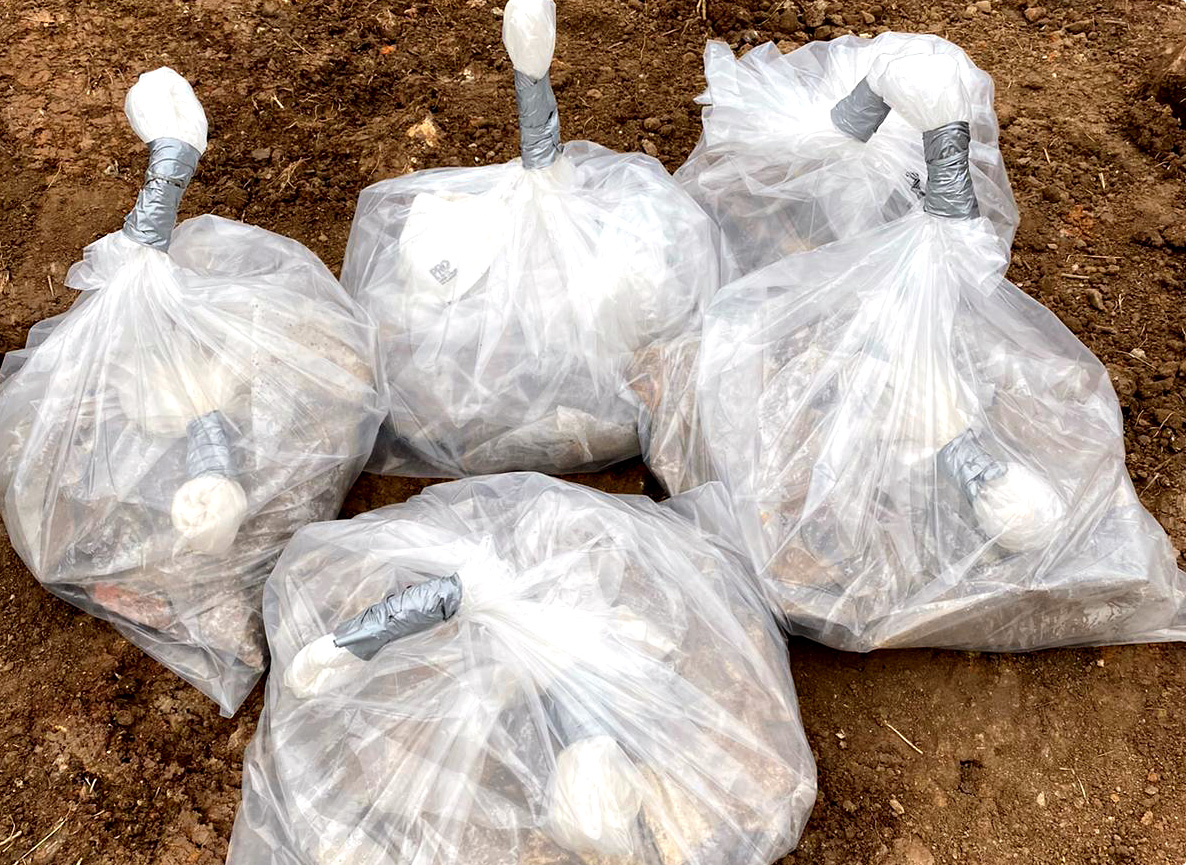
These silicates are made of microscopic fibrous crystals that are light-weight and easy to
breathe in. Asbestos is fireproof, resistant to heat or chemicals, and very strong, which
made it an ideal material for building all kinds of structures.
These minerals were used in construction, manufacturing, aviation, and other such
industries. Most governments have banned the use of asbestos to prevent related health
conditions like lung cancer, mesothelioma, and asbestosis.
We take samples from different locations to determine if
there’s any asbestos present. Our experts then consider whether they need asbestos
encapsulation or abatement.
If it is bonded and the structure is in good shape, encapsulating the material with a strong
barrier is sufficient. If it is friable and the structure is degenerating, you need to
remove it from the property as it can release harmful fibres into the air.
Friable asbestos is in a loose, volatile form, which means the mineral fibres can enter the
air easily. This form of asbestos requires careful handling because inexperienced people can
easily inhale it. Only licensed and well-trained experts should handle or dispose of friable
asbestos because they know the right techniques.